The radical practice of looking up
We all know the rut. That moment when the blank screen or page stares back at you, taunting.
Your mouse moves, almost reflexively toward Pinterest. Or Behance. Or wherever we tell ourselves inspiration lives to save us. And sure, a website like this has its uses. But when everyone's drawing from the same digital well, the work starts to look… familiar. Detached.
That’s not what design needs right now.
When I get that hinky feeling that sameness is creeping in, I do something radical, outlandish, crazy… I go outside.
Look Up. Look Out. Look Around.
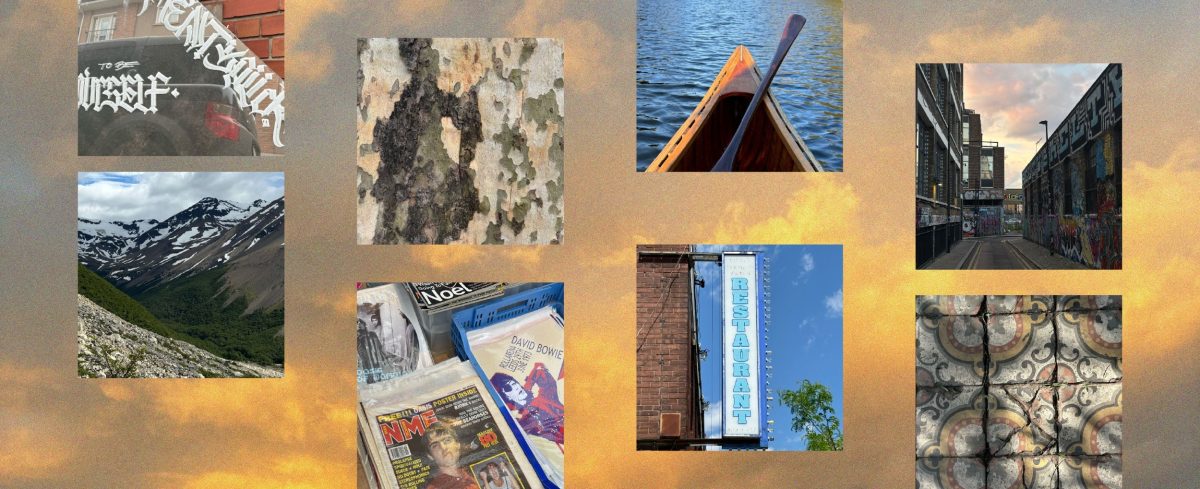
When I say “outside”, I don’t mean one needs to go far. Maybe it’s the colour of the cracked vinyl booths at your breakfast spot. The graffiti layering itself on a dive bar wall. The hand-lettered corner store sign. These moments— unfiltered, uncurated, unprompted and unapologetically real— can reset how you see. They don’t demand anything. They don’t algorithmically nudge you. They just exist. And because of that, you start to notice what pulls your attention. You start to feel where design lives in the wild.
For us user experience designers these moments are more than visual cues; they’re sources of insight. They reveal how experiences actually unfold and how people interact with systems without being prompted.
These small, everyday occurrences can’t be sourced when we scroll for inspiration. Look up. Look out. Look around.
Designing For Nature, With Nature
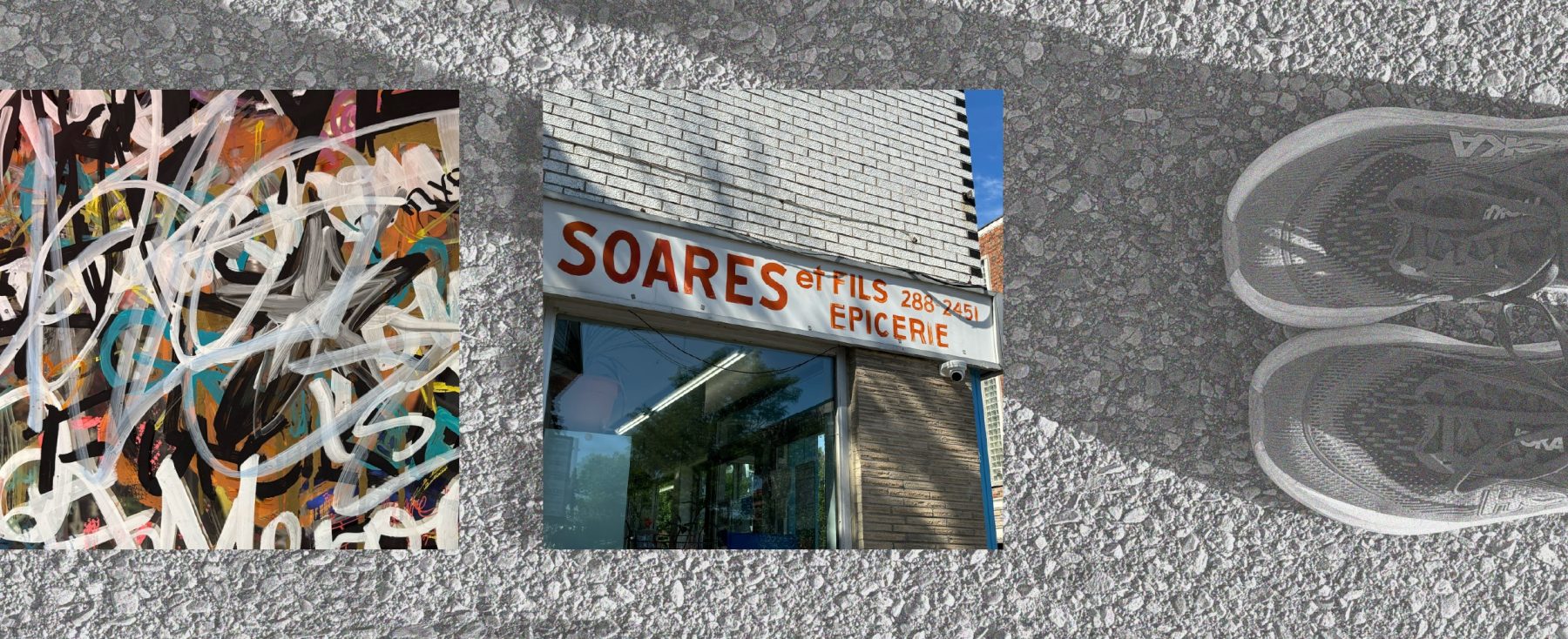
When we step out of the infinite scroll and into nature, we start to see the shapes, textures, patterns, and systems that exist naturally, refined through time and evolutionary purpose rather than trends.
In Life-Centred Design, we’re asked to consider more than human needs. We’re asked to design in ways that respect and regenerate ecosystems both natural and social. And what better teacher than nature itself?
There’s intelligence in the way water finds the lowest point, in the symmetry of a pinecone, in the invisible but interdependent logic of a beehive. Design outside isn’t just beautiful, it’s a lesson in balance, rhythm, and purpose. It reminds us that form always follows function but function follows environment. Ignore that and you’re just designing in a vacuum.
Becoming a Collector
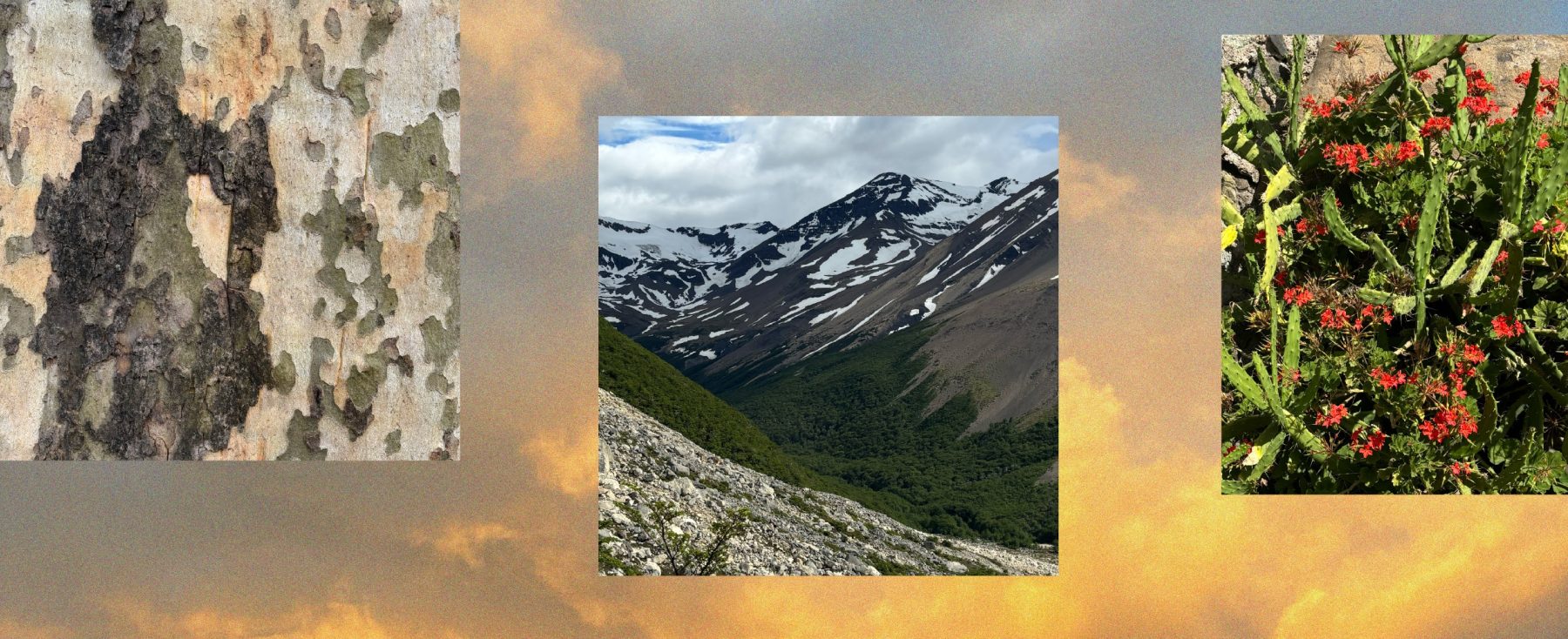
This isn’t a romantic call to frolic in parks. It’s a practical suggestion. Because when we talk about creativity, we’re really talking about connection-making. And the more you observe, the more raw material your brain has to work with. In the end, we’re all just collectors. So a dinner party might inspire a brand strategy. A walk through your neighbourhood might unlock an insight about accessibility.
The key is to be mindful. Not just physically, but perceptively. This is how a personal design language develops. Not from replicating references, but from lived experience. It’s deeply individual, and that’s what makes it so powerful. These unique perspectives push design beyond aesthetics into something that exists in the real world— something that moves, adapts, and interacts with its environment.
Okay, Now Bring It Back to the Studio
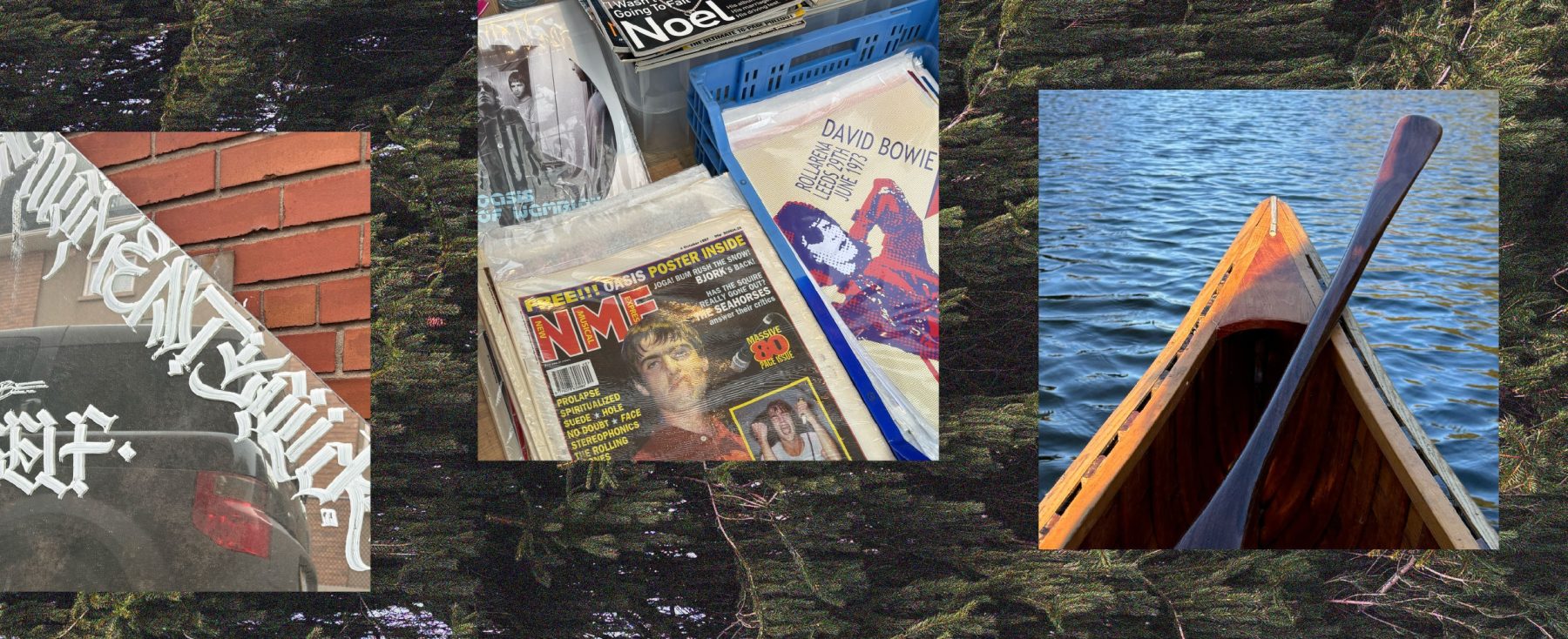
Don’t get me wrong, screens are incredible tools. We love pixels and what we can create with them. But we’ve learned that the work that resonates— the work that connects with real people in the real world— usually starts offline. It begins with something seen, felt or overheard. Something that didn’t come from following trends or scrolling IG. We bring that energy back into our practice, whether we’re building a brand, prototyping an app or reshaping a service. Because your world really is made better by design— when design is informed by the real world.
Last Thought
Creativity isn’t something we summon. It’s something we cultivate. And like any garden, it needs light, air and room to grow. So if your screen feels more like a wall than a window, step away. Pay attention. Let the world in. Inspiration isn’t always curated, it’s lived— and the messier it is out there, the more interesting it can get in here and that’s often where the best ideas start.