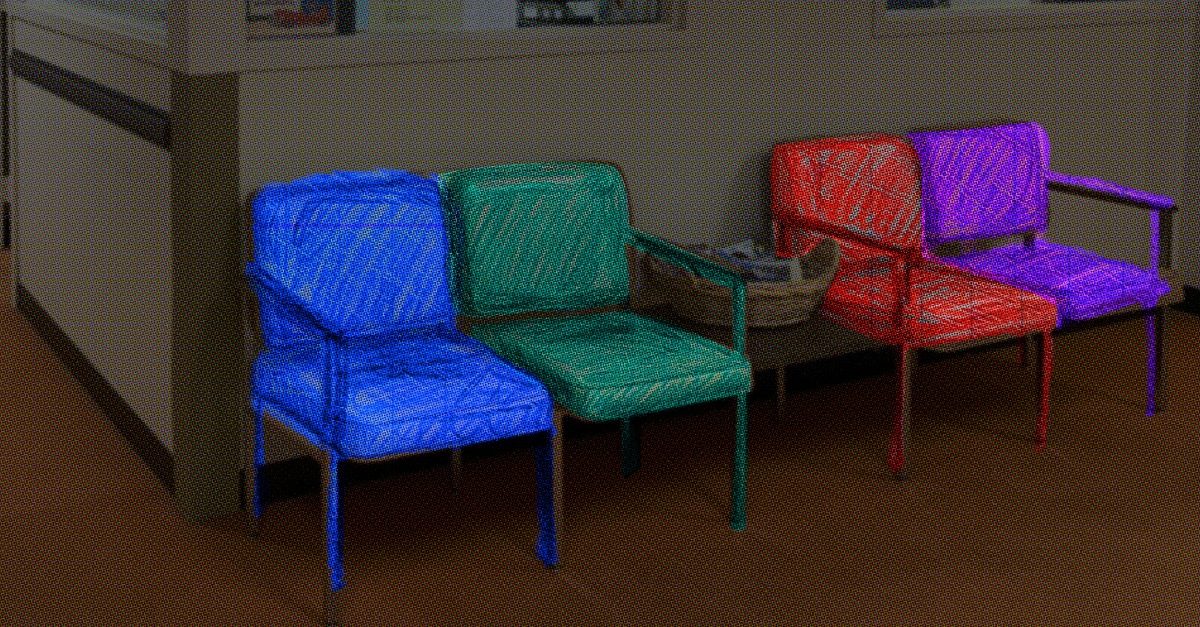
Designing healthcare that works for everyone
Why “one-size-fits-all” healthcare design doesn't fit Canada
Canada has a healthcare equity problem. And new or more digital tools are not necessarily the answer. The answer lies in creating the right experiences for the right people, in the right context. That is what we believe, and that belief becomes especially critical when designing for underserved populations such as older adults, those living in rural and remote communities across Canada. For Pivot, good healthcare design begins with empathy and ends with impact.
Canada’s healthcare system is complex and often inequitable. It is not one-size-fits-all, nor is it delivered in a vacuum. People experience it through the lived reality of where they live, how they connect, and what support they have. That’s why designing for digital equity means more than building “accessible” tools. It means accounting for:
- Limited connectivity and older devices
- Lower levels of digital and health literacy
- Fewer provider options and complex care journeys
These are the everyday realities for millions of Canadians. It is here that design delivers real value.
The Demographics Are Shifting
Canada’s population is aging fast. By 2030, one in four Canadians will be over 65, and those aged 85 and older represent the fastest-growing segment. At the same time, rural communities still face significant access barriers.
We cannot assume that digital health will work the same way for someone living in urban centres as for someone managing chronic illness in Northern Canada. Digital health built for urban, younger, tech-savvy users simply doesn’t translate. That’s a systemic blind spot and a critical misstep. It is also a design opportunity.
Better healthcare design isn’t just inclusive—it’s effective. And at Pivot, that’s exactly how we approach every digital solution.

The Real Design Opportunity
Designing for older adults and rural and remote populations is not just about retrofitting existing systems. It is a challenge of innovation. The opportunities lie in five key areas:
- Access – Tools must work in low-bandwidth environments, on older devices, and across regions with inconsistent care infrastructure.
- Medical Management – Tools should simplify the complexity of multiple conditions, medications, and caregiver coordination.
- Knowledge Translation – Information must be presented clearly, in plain language, and at appropriate reading levels.
- Usability – Design needs to reflect the realities of aging minds, bodies, and emotions.
- Decision-Making – Solutions should empower individuals and caregivers with timely, actionable guidance, not just data.
This is where human-centred design, applied rigorously, can drive meaningful transformation. This is not about retrofitting, but rather, rethinking.
A Shift in Thinking: Insights From the Field
Our collaboration with Brightshores Research Institute (BRI)—a research and innovation organization focused on developing solutions for the unique healthcare issues faced by rural communities—marked a turning point in how we approach rural health innovation. What began as a digital redesign became a deep exploration of how care is experienced in resource-constrained settings.
We recognized that these communities face a set of interrelated challenges that cannot be solved by design alone. They require integrated thinking across systems, services, and communication. What emerged was a deeper understanding of how service design, research, and strategy can converge to move rural health forward. We now see BRI as a national model: a blueprint for co-creating rural health solutions rooted in empathy, data, community insight and cross-sector collaboration.

Case Examples From Our Practice
- ALS Canada: Through patient and caregiver journey mapping, we identified critical moments where individuals felt abandoned by the system. Our work led to more responsive resource delivery and clearer support touchpoints.
- TAPMI (Toronto Academic Pain Medicine Institute): We redesigned a complex referral process across multiple hospital sites into a unified, web-based tool. This helped reduce errors and improved the patient experience, especially important for those travelling long distances for care.
- Hypertension in the Pharmacy: We developed a research framework to help pharmacists test and refine new ways of supporting patients with high blood pressure. The resulting pilot program continues to guide user-centred service changes and improve health outcomes in community pharmacy settings.
Each project reflects our approach: listen deeply, map real experiences, identify pain points, and design with intent.
From Idea to Implementation
It is not enough to generate ideas. The health system needs implementable solutions. That is why we ground our work in research and informed design. We test with real users, across real scenarios, and refine based on Design Evidence, not assumptions.
We also advocate for deeper co-design with older adults, caregivers, and rural residents—not just as testers, but as co-creators. It is time to move beyond designing for people and start designing with them.
What This Means for You
If you are a health leader, product developer, or service provider looking to make healthcare more equitable and effective across diverse populations, let’s talk. Whether you are exploring new models of care, simplifying existing systems, or building something from scratch, we can help bridge the gap between ambition and reality.
Our team at Pivot has spent over two decades working at the intersection of design, healthcare, and innovation. We understand that thoughtful, practical solutions can transform how people experience care, especially in places where the system is already stretched.
Let’s Design Healthcare That Works Everywhere
Digital health should not be a luxury of geography, age, or income. It should be usable, intuitive, and inclusive—wherever someone lives, whatever their needs.
Visit our Healthcare page to learn more about our work, or get in touch to start a conversation.
If this article sparks ideas for your needs, consider booking a discovery call with us. Let’s build what’s next, together.